


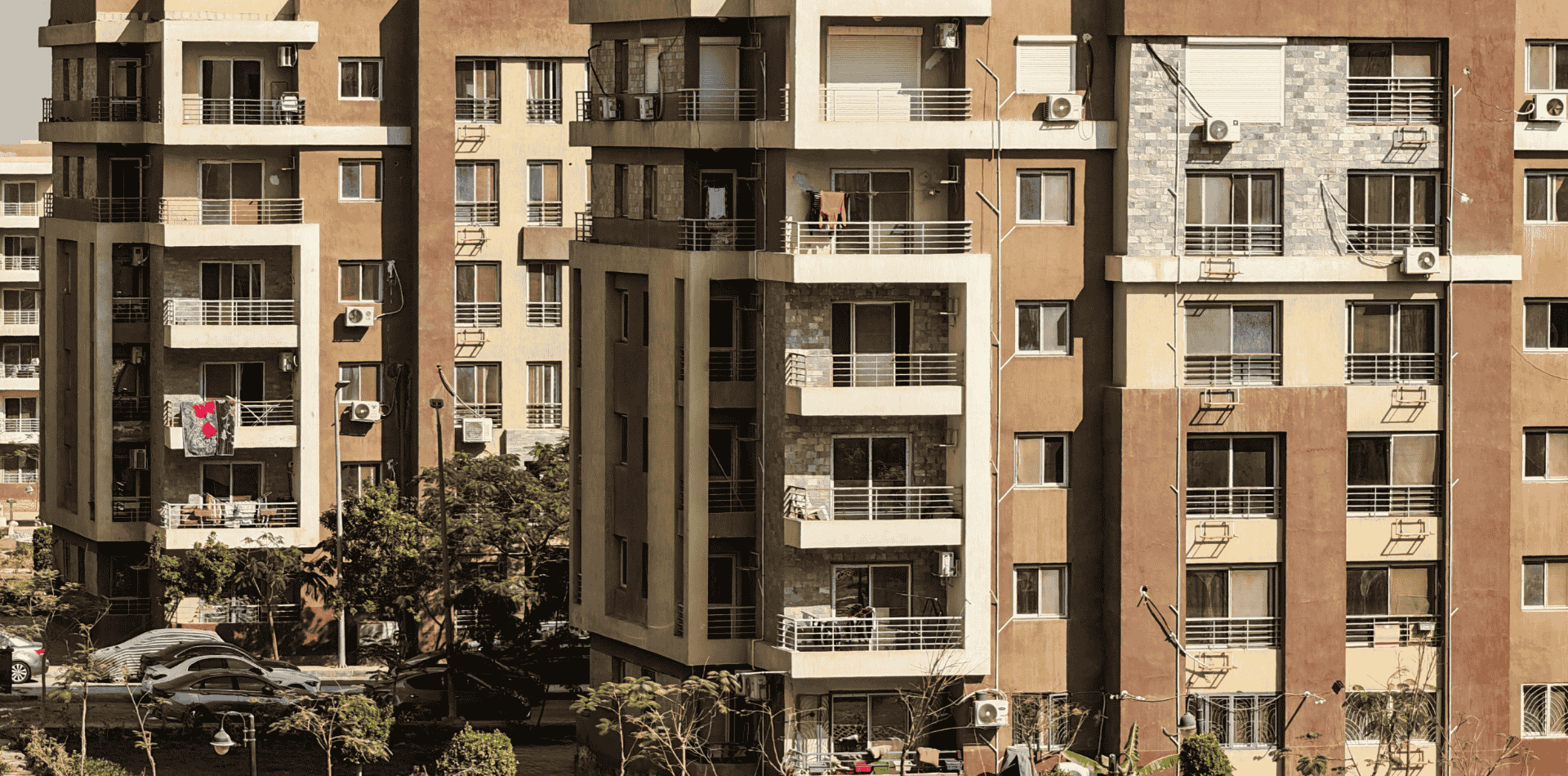
A sweeping reform intended to rescue thousands of residents from the “legal vacuum” of apartment living has been derailed yet again. The Parliamentary Committee on Interior Affairs has abruptly halted discussions on the revised legislative framework for jointly-owned buildings after a sharp rift emerged between the Ministry of Interior and the District Local Government Organisations (DLGOs).
The proposed law, designed to modernize the management of nearly 220,000 residential units, is at the center of a high-stakes standoff over administrative responsibility and funding. While the government pushes for immediate oversight, the local bodies tasked with enforcement warn they are physically and financially unready to assume control.
The Impasse: A Clash of Stakeholders
For the second time in 18 months, the Committee suspended its session after realizing that the two main parties remain miles apart on the bill’s execution.
-
The Government’s Vision: The Ministry of Interior intends for the DLGOs to act as the primary supervisors, giving them the power to register committees, mediate disputes, and levy administrative fines against non-compliant owners.
-
The DLGOs’ Objection: Constantinos Yiorkadjis, president of the Nicosia DLGO, informed Parliament that his organizations were never consulted during the drafting phase. He argued that the DLGOs currently lack the staff, specialized software, and physical premises to handle such a massive registry.
“I will not play the game of extension after extension,” warned Committee Chair Aristos Damianou (AKEL). He stressed that Parliament would refuse to schedule further debates until a unified, agreed-upon text is formally submitted.
The Scale of the Crisis: 200,000 Families at Risk
The urgency for reform is driven by a chaotic status quo. According to data from the Department of Lands and Surveys, thousands of residential buildings are currently operating with no legal oversight, leading to unpaid communal fees and neglected maintenance.
| District | Registered Buildings | Unregistered Buildings | Total Residential Units |
| Nicosia | 4,927 | 2,297 | 73,241 |
| Limassol | ~3,600 | ~1,600 | ~58,000 |
| Larnaca | 898 | 758 | 16,760 |
| Famagusta | ~850 | ~400 | 19,266 |
| TOTAL | 14,208 | 6,711 | 219,635 |
Key Reforms on Hold
If the bill eventually clears this hurdle, it would fundamentally change how property is owned and transferred in Cyprus:
-
The “Debt-Free” Mandate: A property transfer cannot be completed at the Land Registry without a certificate from the management committee proving all communal expenses are settled.
-
Compulsory Reserve Funds: Buildings would be legally required to maintain a sinking fund (minimum 20% of annual contributions) specifically for long-term repairs.
-
Enhanced Enforcement: Management committees would gain the legal standing to sue for debts and impose penalties for rule violations.
-
Mandatory Insurance: The bill requires the entire building structure, as well as individual units, to be fully insured.
The Financial “Black Hole”
A major sticking point remains the financial impact study completed by the Land Registry in December 2025. The DLGOs are still analyzing this data, fearing that the proposed administrative fees will not cover the operational costs of the new service. Furthermore, the issue of who pays for emergency repairs on dangerous buildings (such as those with falling balconies) remains unresolved, with local authorities demanding a sustainable “cost-recovery” mechanism before they accept any new duties.
Source: Property News Cyprus