


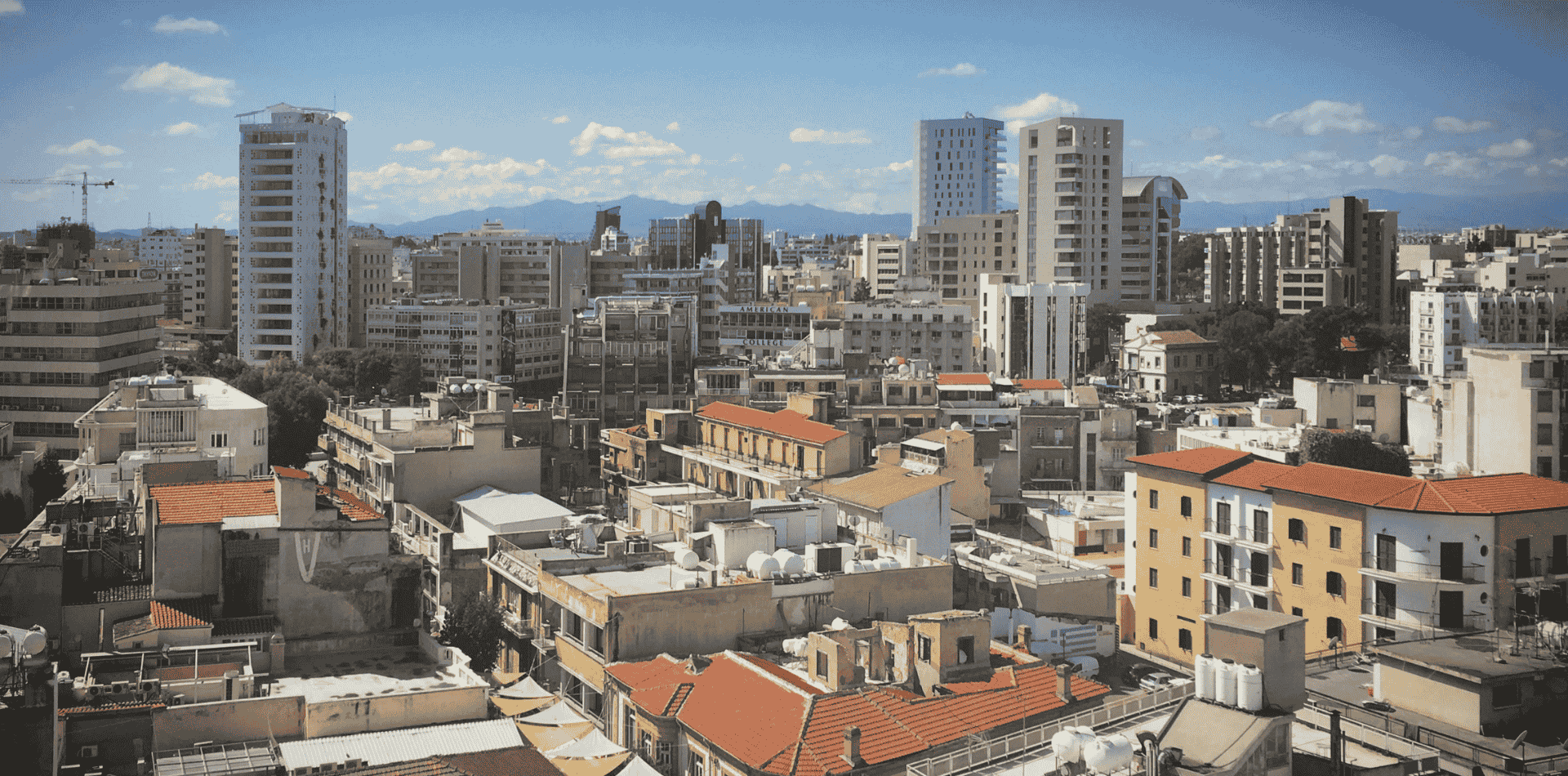
The national real estate market has officially entered uncharted territory, with apartment prices in the fourth quarter of 2025 eclipsing the previous record set during the 2008 property bubble. According to the latest Residential Property Price Index (RPPI) from the Central Bank, the apartment sector has surged to 123.9 points, marking a monumental recovery from the 2013 financial crisis lows.
While the boom signals a robust economy, it has triggered warnings of a burgeoning “social crisis.” As the European Union highlights growing housing inequality, an increasing number of young locals find themselves effectively locked out of a market that has appreciated by 74.5% over the last decade.
A Decade of Growth: From Slump to Sky-High
The journey from the post-2013 downturn to today’s peak reflects a dramatic shift in the island’s economic landscape. At its lowest point in 2013, the index bottomed out at 73.4 points; today’s valuation represents a 60% rebound from those depths.
Year-on-Year Acceleration:
-
Q4 2024: 112.3 points
-
Q4 2025: 123.9 points
-
Annual Increase: 10.32%
Regional Breakdown: Limassol and Larnaca Leading
The price surge is not uniform across the districts, with coastal cities seeing the most aggressive appreciation due to foreign investment and tourism.
| District | Apartment Index (Q4 2025) | 10-Year Increase |
| Limassol | 150.1 points | +102.7% |
| Larnaca | 150.0 points | +102.0% |
| Paphos | 126.5 points | +97.0% |
| Famagusta | 81.9 points | +38.5% |
| Nicosia | 99.0 points | +29.2% |
In the house category, Paphos and Limassol also lead the charge, with price increases of 36.1% and 38.6% respectively over the last ten years.
What is Powering the Boom?
Several converging factors have created a “perfect storm” for high valuations:
-
Foreign & Institutional Demand: Strong interest from overseas buyers seeking “buy-to-let” opportunities and short-term rentals.
-
Supply Deficit: Despite a pickup in construction, the delivery of new units cannot keep pace with the rapid influx of new residents and investors.
-
Construction Inflation: Rising costs for raw materials have forced developers to increase the asking price for new-build projects.
-
Cheaper Borrowing: Since May 2025, local interest rates have remained below the Eurozone median, encouraging domestic buyers to take out mortgages.
The Outlook: Continued Upward Pressure
The Central Bank notes that the easing of European Central Bank monetary policy in mid-2024 provided the liquidity necessary to sustain this momentum. With higher education expanding and tourism numbers remaining high, the demand for residential space is unlikely to cool in the short term. Unless supply dramatically increases, the trend suggests that the “social crisis” of affordability will remain a central political challenge for 2026.
Source: Cyprus Property News