


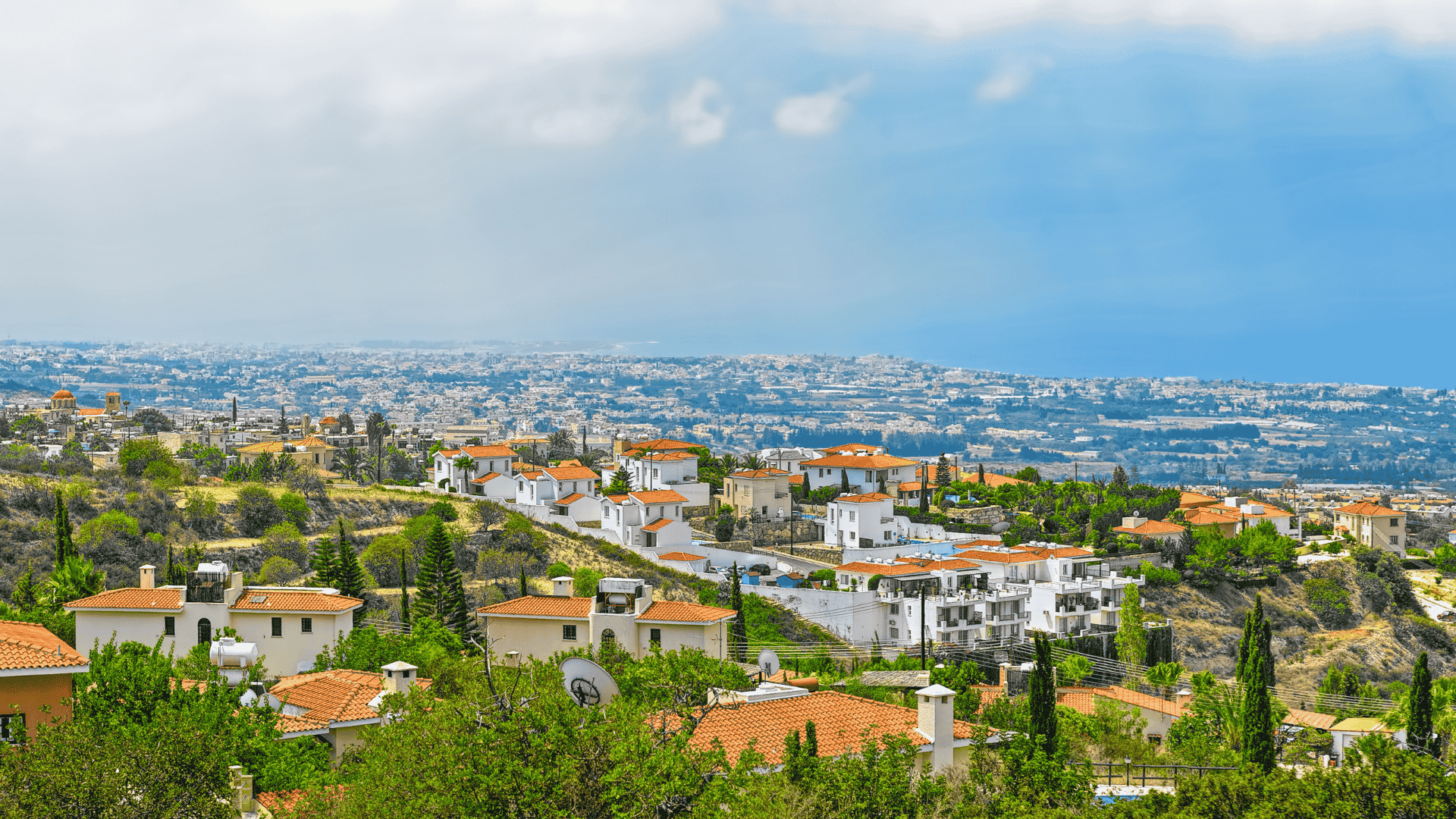
While Cyprus and Greece share cultural and service sector ties, their recent economic strategies reveal two distinct models for growth, particularly concerning real estate. This insight comes from Pavlos Loizou, CEO of Ask Wire, who highlights Cyprus’s aggressive reliance on new development versus Greece’s focus on utilizing its existing assets.
Cyprus: The ‘Building’ Economy
Loizou characterized the Cypriot economy as fundamentally focused on “building,” a trend that has cemented its status as one of Europe’s most construction-reliant nations.
- GDP Contribution: Real estate-related activities in Cyprus consistently contribute around 15% to 16% of the country’s Gross Domestic Product (GDP), placing it among the highest ratios in the continent.
- Sector Breakdown: The vast majority of this contribution (approximately two-thirds) is generated by rental income and property management, with the remainder coming directly from construction activity.
- Foreign Investment: The reliance on new builds is heavily supported by international demand. Loizou noted that in major urban centers like Limassol or Larnaca, “one in three new apartments is purchased by foreigners, if not more.”
- Large-Scale Projects: Large-scale developments—including marinas, energy facilities, and extensive tourist complexes – are cited as major drivers that are actively reshaping entire districts across the island.
Greece: Utilizing Existing Assets
In contrast to Cyprus’s model, Loizou suggested that “Greece lives mainly by utilising what it already has.” This implies a strategy centered on maximizing value from existing infrastructure, heritage, and services, rather than relying on massive new capital projects or construction volume.
The Double-Edged Sword of Development
While the construction-heavy model has clear immediate benefits for Cyprus, Loizou issued a caution regarding its sustainability.
- Benefits: The continued investment in construction actively generates employment and serves as a major engine for attracting international capital to the island.
- Vulnerability: Conversely, this heavy dependence on the construction sector inherently increases economic vulnerability to external shocks or downturns in the global real estate market.
Source: Cyprus Mail